




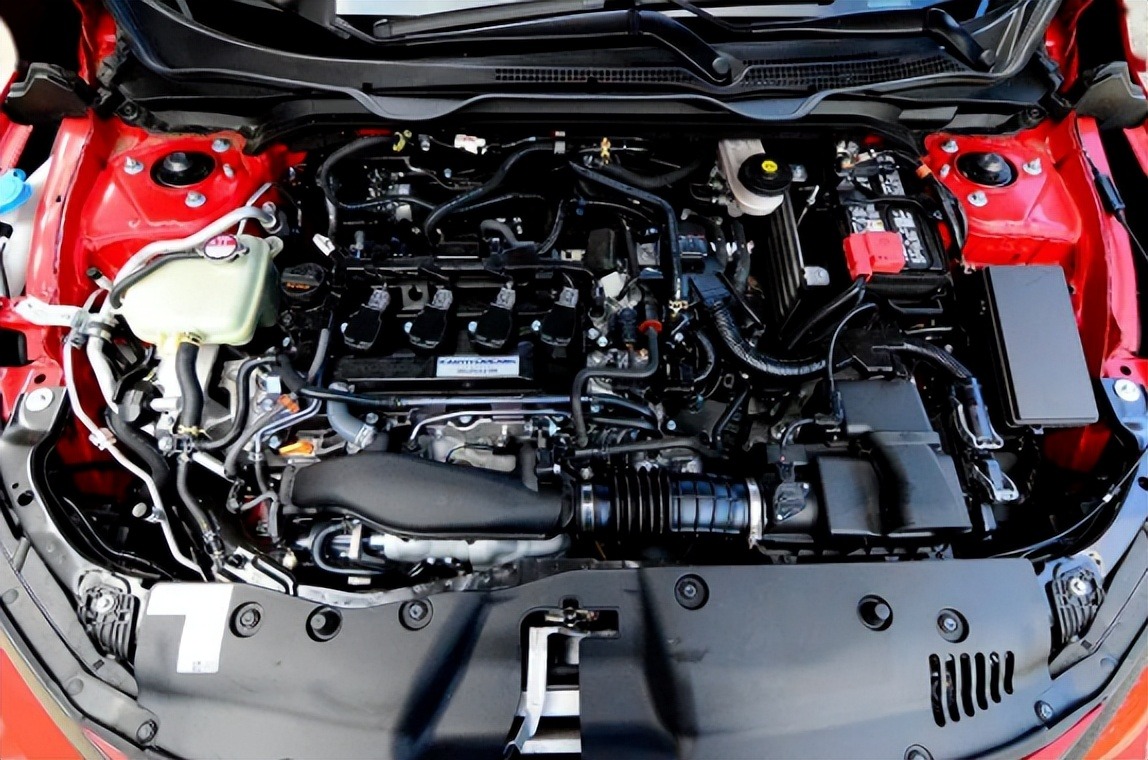
While many car owners regularly wash their vehicle’s exterior and clean the interior, the cleanliness of the engine bay often goes neglected. Some believe that since it’s out of sight, a little dirt doesn’t matter. Others argue that accumulated dust and grime can impact vehicle performance, making regular cleaning essential. In reality, cleaning the engine bay is not just about aesthetics; it is critically important for your vehicle’s safety, longevity, and efficiency.
The Risks of a Dirty Engine Bay
In newer vehicles, the engine bay typically accumulates dust. In older cars, however, oil leaks from components like the engine or transmission lines can mix with dirt, forming stubborn, sludge-like deposits. This oily sludge is more than just unsightly. It accelerates the aging of plastic and rubber parts, potentially leading to oil line leaks, electrical shorts, and in severe cases, even increasing the risk of engine fire.
Furthermore, sludge and dust act as insulators, impairing the engine bay’s ability to dissipate heat. This can result in higher fuel consumption, reduced power, increased engine noise, and overheating. In extreme situations, it may trigger warning lights or cause the vehicle to shut down.
Research indicates that when intake air temperature rises from 45°C to 60°C, fuel consumption can increase by 6% to 20%. For example, a car with a typical city fuel consumption of 10L/100km could see that number rise to 11.3L/100km due to poor heat dissipation. Therefore, regular engine bay cleaning not only extends component life but also improves fuel economy.
The Correct Way to Clean Your Engine Bay
Modern engine components are typically designed with water resistance in mind (often meeting IPX4 standards, which protect against water splashes from any direction). However, proper technique is crucial to avoid damage:
- Avoid High-Pressure Water: High-pressure washers can force water into sensitive electrical connectors and seals. It is safer to use a low-pressure hose or a gentle setting on a wash unit. For added protection, cover major electrical connectors and the battery with plastic wrap before washing.
- Let the Engine Cool: Never wash a hot engine. Sudden temperature changes from cold water on hot metal can cause components like the engine block or exhaust manifold to crack or warp. Always allow the engine to cool completely.
- Use a Dedicated Cleaner: Water alone is ineffective against oily grime. Use a degreaser or engine bay cleaner specifically formulated for automotive use. Apply it to targeted areas, allowing it to penetrate the sludge before rinsing. These products often have strong fumes, so ensure you work in a well-ventilated area and consider wearing gloves and a mask.
- Post-Cleaning Steps: After rinsing, leave the hood open. Start the engine and let it idle for several minutes. The residual heat will help evaporate any remaining moisture from hidden areas, preventing electrical issues or fogging inside headlight assemblies.
By incorporating engine bay cleaning into your regular maintenance routine, you protect your investment, ensure safer operation, and help your vehicle run more efficiently for years to come.
Post time: Dec-30-2025