




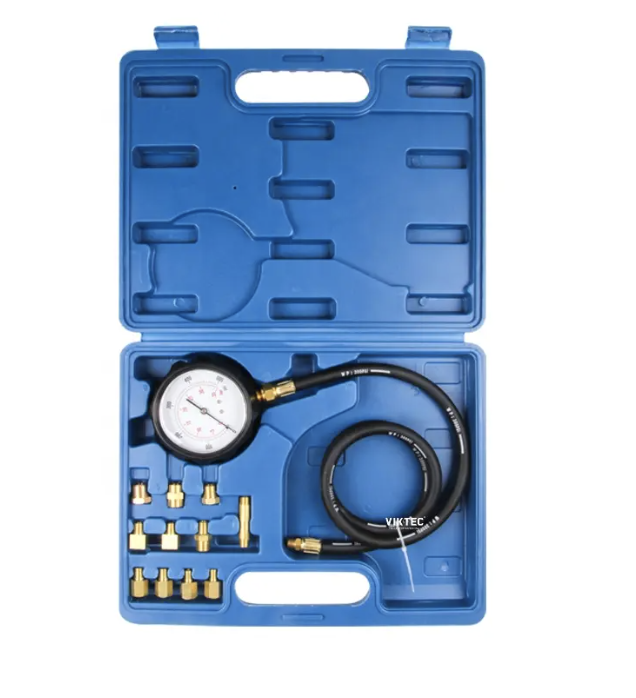
An engine compression tester is one of the most essential diagnostic tools in automotive repair. It is used to measure the pressure inside an engine cylinder during the compression stroke, helping technicians quickly evaluate overall engine condition.
By comparing compression readings between cylinders, mechanics can identify potential internal problems such as worn piston rings, leaking valves, or damaged head gaskets. This makes compression testing a fast and cost-effective first step in engine troubleshooting.
Why Engine Compression Testing Is Important
In both professional workshops and DIY garages, compression testing plays a critical role in:
-
Diagnosing engine performance issues such as power loss, misfires, and hard starting
-
Preventing major repairs by detecting mechanical wear at an early stage
-
Evaluating engine health before rebuilds or used vehicle purchases
-
Improving fuel efficiency and emissions performance
Unlike electronic diagnostics, a compression tester provides direct mechanical data, making it reliable even when no fault codes are present.
Market Trends in Automotive Diagnostics
As vehicles continue to evolve, demand for efficient and accurate diagnostic tools is increasing. While electronic scan tools are widely used, mechanical testing tools like engine compression testers remain irreplaceable due to their simplicity, affordability, and universal application.
With the growing global vehicle population and extended vehicle lifecycles, compression testers are becoming increasingly popular in:
-
Independent repair shops
-
Fleet maintenance
-
DIY and enthusiast markets
Post time: Jan-23-2026