




Proper sealing is crucial for vehicle durability, comfort, and protection. Here’s a quick guide to key sealing practices during repair—essential for workshops aiming for quality and customer satisfaction.
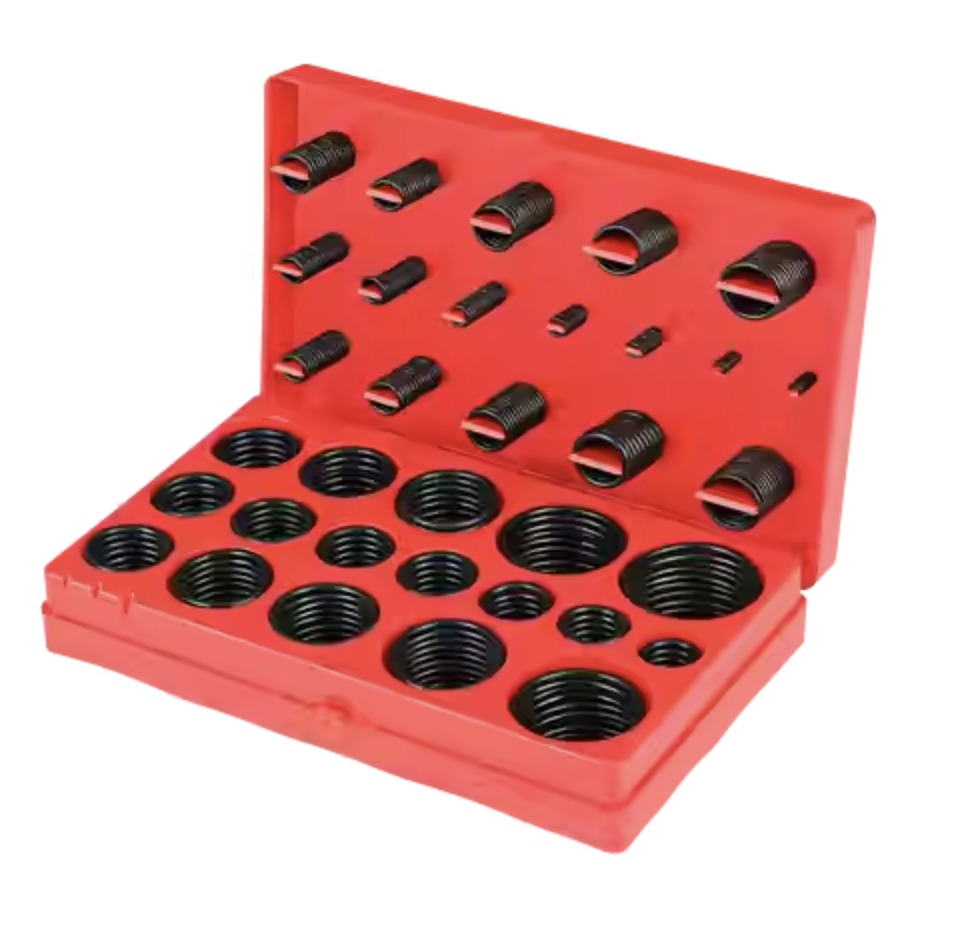
1. Wiring & Cable SealsAlways reinstall or replace sealing grommets where wiring passes through body panels. They prevent moisture and dust entry while protecting wires. Ensure a snug fit—no twists or gaps.
2. Window Glass ReplacementUse glass matching the original curvature. Check and repair window channels and weatherstrips. After installation, test for smooth operation and a tight seal when closed.
3. Door Repair & ReplacementRestore the door seal flange to its exact shape. Apply hemming sealant on panel edges and install a water barrier film inside the door. Verify sealing with a simple “pull test”: close the door on a paper slip; resistance should be even and moderate.
4. Roof Panel ReplacementApply conductive sealant before welding and hemming sealant after, especially along rain channels. This prevents leaks and rust.
5. Full Body Replacement
- Apply seam sealant (≈1mm) on all welds and joints.
- Use hemming sealant on flanges.
- Coat underbody areas with elastic anti-corrosion compound (3–4mm).
- Install vibration-damping, thermal, and acoustic insulation before fitting interior trim.
Why It Matters
Correct sealing keeps water, dust, and noise out—preserving electrical systems, preventing rust, and enhancing cabin comfort. It’s a mark of professional repair that boosts vehicle lifespan and resale value.
Post time: Jan-12-2026